
During Florida hurricane season, your roof deserves attention before a storm is on the doorstep and again after severe weather has passed. You can use this Hurricane Roof checklist! Homeowners can safely check gutters, ceilings, tree hazards and visible roof conditions from the ground, while a licensed roofer can inspect shingles, flashing, penetrations and other areas that are not safe to evaluate on your own.
Castaways Roofing is based in Orlando and provides roof inspections, repairs and replacements for homeowners and businesses throughout Florida. Our goal is straightforward: help you understand the condition of the roof protecting your island.
Before severe weather: inspect what you can safely see
Look for loose or missing roofing material
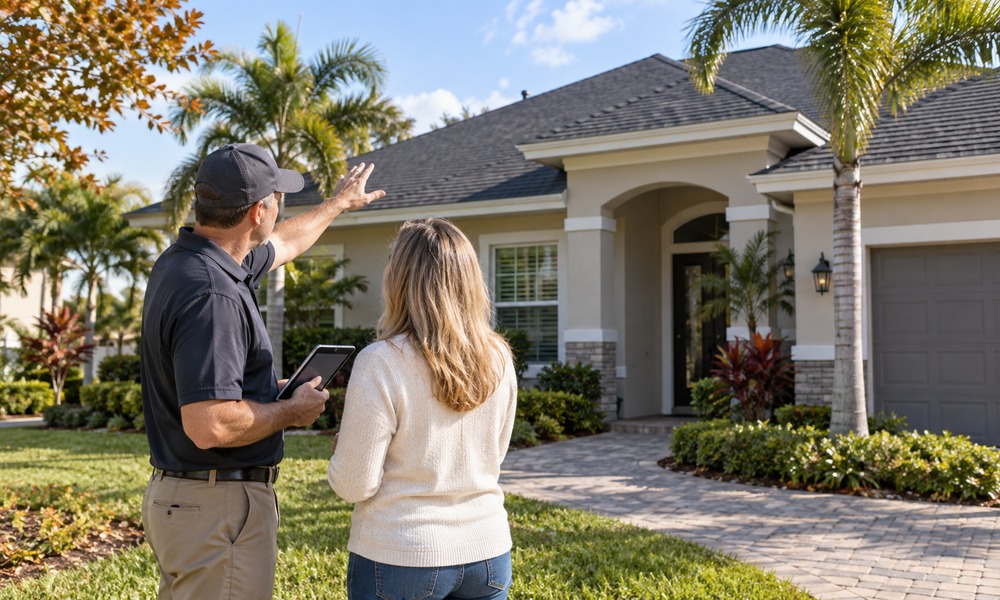
From the ground, scan for obvious missing shingles, displaced tiles, lifted metal edges or other visible changes. Do not climb onto the roof to “make sure.” A professional can evaluate questionable areas safely and more closely.
Check gutters and drainage
Clear leaves and debris so rainwater has a path away from the roof and foundation. Look for loose gutter sections or downspouts that no longer discharge where they should.
Review flashing and penetrations
Flashing around chimneys, vents, skylights and roof transitions helps direct water away from vulnerable joints. If you can see bent or displaced material from the ground, schedule a closer inspection.
Trim obvious tree hazards
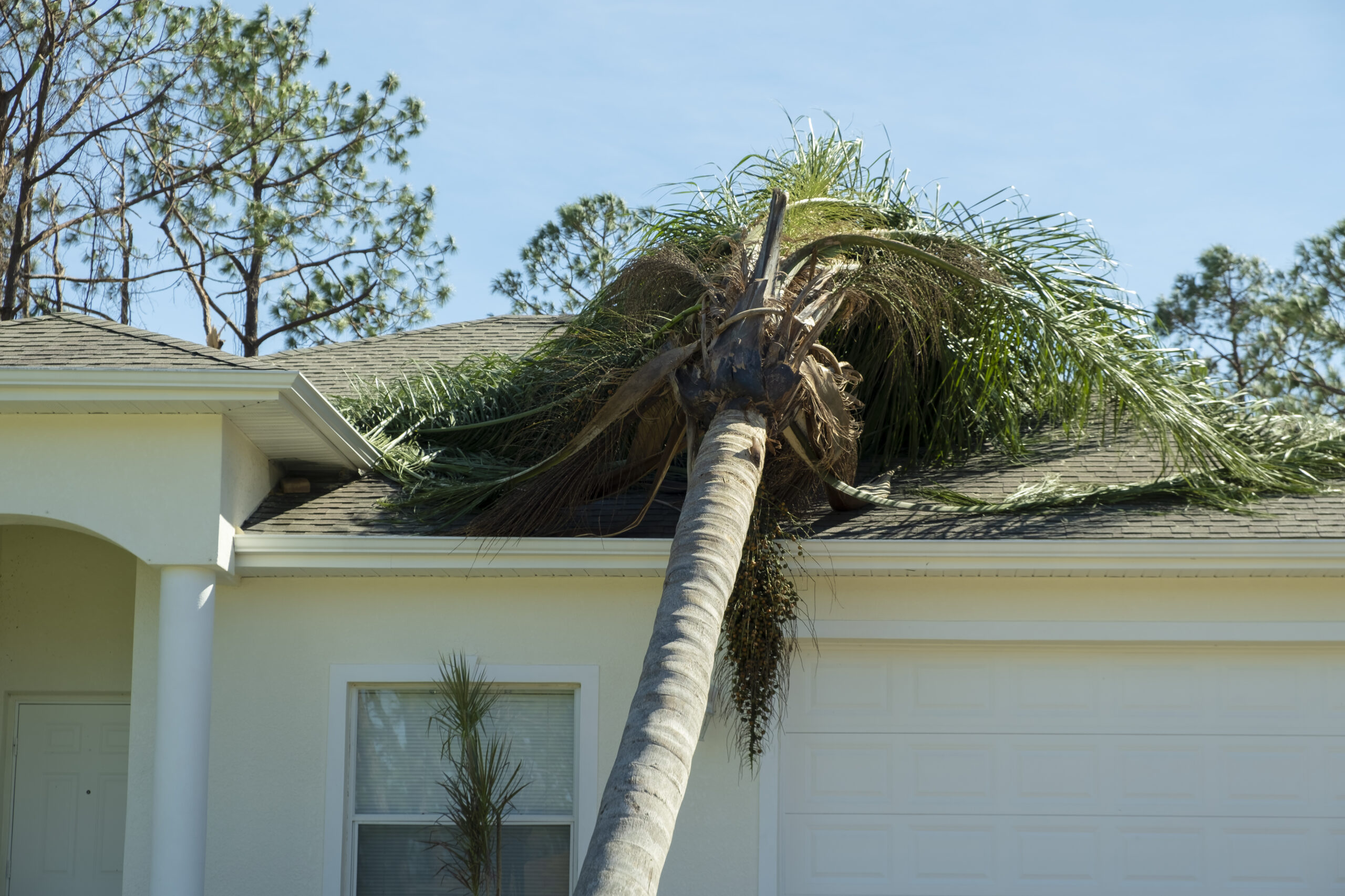
Dead or weak limbs over the roof can become a problem in high winds. Use a qualified tree professional for anything beyond simple, safe ground-level trimming, especially near power lines or the structure.
Inside the home: look for moisture clues
Roof problems sometimes announce themselves indoors first. Check ceilings and accessible attic areas for:
- New water stains
- Damp insulation
- Musty odors
- Discoloration around vents or penetrations
- Visible daylight where it should not appear
These signs do not tell you the exact source. Water can travel along framing before it becomes visible, so a professional inspection is still important.
After a storm: document before you disturb
Once authorities say conditions are safe, walk the property and take photos from the ground. Note missing materials, fallen limbs, damaged gutters, debris impacts and any interior water. If a tarp or emergency mitigation is needed, prioritize safety and preventing additional damage.
For insurance questions, review your own policy and contact your insurance carrier. Coverage, deductibles and claim requirements vary, and a roofing contractor should not substitute for your insurer or legal advisor.
What can a professional roof inspection add?
A trained roofer can evaluate the actual roof surface, penetrations, flashings, edges and areas that are difficult to see from below. The purpose is to separate normal wear from damage and identify whether the roof needs maintenance, repair or a broader replacement discussion.
Castaways Roofing handles full roof replacements, re-roofing, repairs, gutter installations and multiple roofing systems. Explore Castaways Roofing’s residential and commercial roofing services for an overview.
If you have solar, inspect the roof-and-solar relationship too
Solar panels add another layer to roof planning. If storm damage affects the roof beneath or around an array, repairs may require coordinated panel removal and reinstallation. If the roof is nearing replacement age and you are considering solar, it is often smarter to evaluate the roof condition first than to create avoidable removal work later.
Castaways’ quote form includes roof repair, roof replacement and re-roof-with-solar options so the project can be evaluated as one home-protection decision.
Central Florida hurricane-season roof checklist
- Roof surface visually checked from the ground
- Gutters and downspouts cleared
- Tree hazards reviewed
- Attic and ceilings checked for moisture
- Window and exterior openings checked
- Property photos updated before severe weather
- Roofing contractor contact information saved
- Insurance policy and carrier contact information accessible
Frequently Asked Questions
Should I climb on my roof after a hurricane?
No. Wet, damaged or debris-covered roofs can be dangerous. Inspect from the ground and call a qualified professional for a closer evaluation.
Does a missing shingle mean I need a whole new roof?
Not by itself. The right recommendation depends on the extent of damage, roof age, material, installation and overall condition.
What if my roof looks fine from the ground?
That is encouraging, but some issues are difficult to see from below. If your property experienced severe wind or impact, a professional inspection can provide a clearer answer.
Can Castaways inspect a roof before I add solar?
Yes. Roof condition should be part of solar planning, especially if the roof is older or already showing signs of wear.
Your home is your island. Know what is protecting it.
Do not wait for a ceiling stain to become your first roof inspection. Contact Castaways Roofing in Orlando to schedule a professional evaluation and get clear guidance on the next step for your Central Florida home.