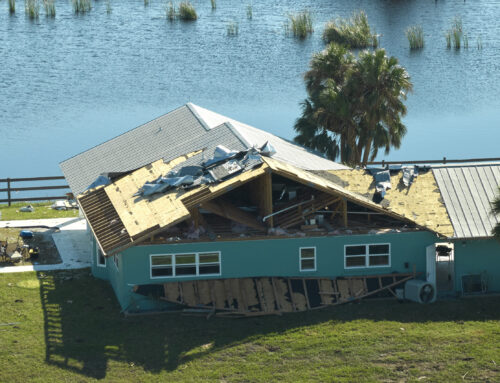
After a Florida storm, the right solution depends on the extent of the damage, the age of the roof, the material installed, and whether the roofing system still has enough life left to justify repair. Some homes only need localized repairs. Others are better candidates for a full replacement because the storm exposed broader deterioration or because the roof was already nearing the end of its service life.
For homeowners in Orlando, Orange County, Osceola County, Seminole County, and Brevard County, the goal is not to guess. It is to get a professional inspection that identifies whether a repair will truly solve the problem or whether replacement makes more long-term sense.
Castaways Roofing provides residential roofing expertise across Central Florida, including inspections, roof repair, full replacement, storm-damage services, and insurance-claim support.
Start With a Professional Roof Inspection
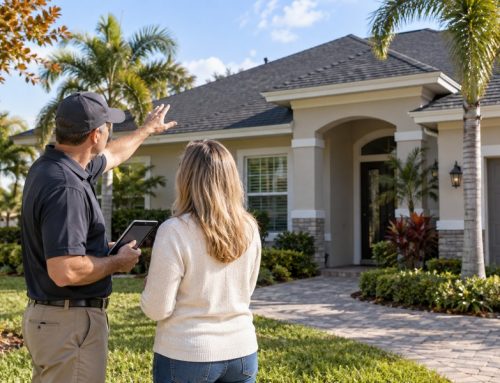
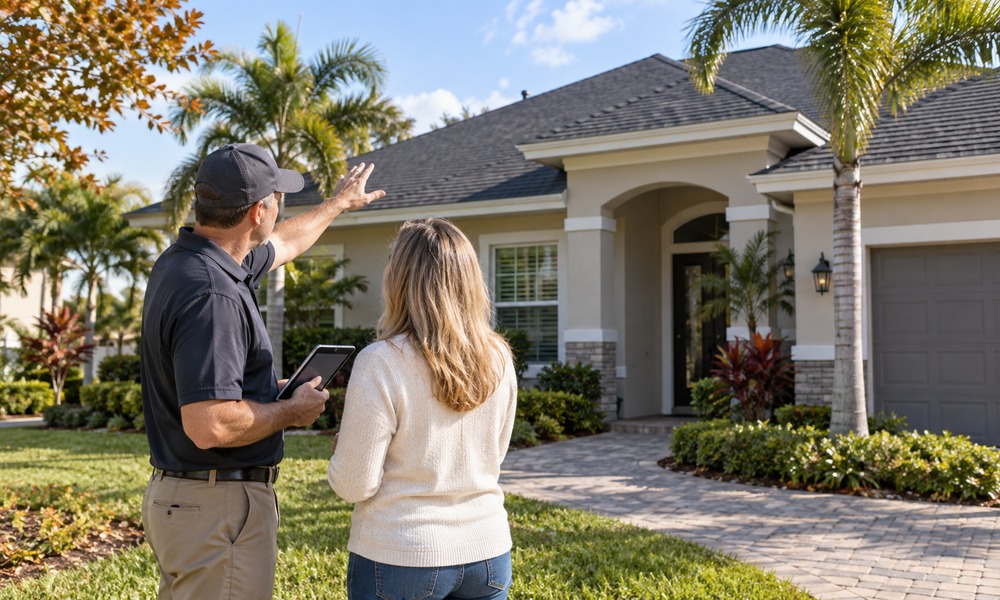
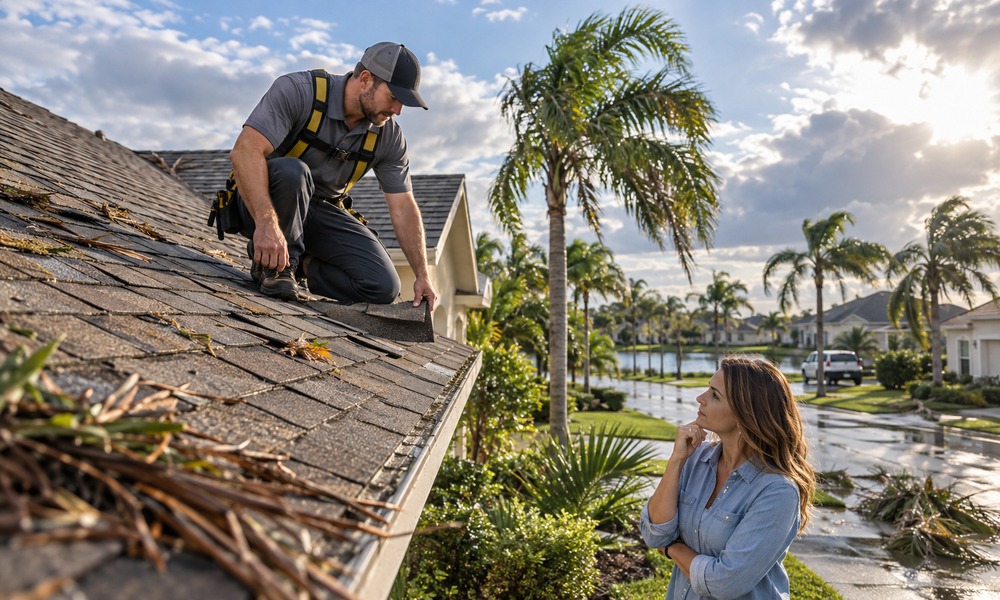
The first step after a major storm should always be inspection. Some forms of damage are obvious from the yard, but others are not. Lifted shingles, compromised flashing, fastener issues, or water intrusion around penetrations can be difficult to evaluate without a trained eye.
Castaways Roofing specifically recommends inspections at least annually and especially after major storms or hurricanes. That recommendation is especially relevant in Florida, where wind and water often affect the roof at the same time.
When a Roof Repair May Be the Better Option
Repair is often appropriate when damage is limited and the overall roof is still in solid condition.
A repair may make sense when:
- Only a small section of the roof was affected
- The roof is relatively new
- The roofing material is still in good overall condition
- Matching materials are available
- There are no widespread leaks or major structural concerns
- The storm damage is confined to a few shingles, flashing details, or a localized impact area
In these situations, a properly completed repair can restore weather protection without the cost of a full replacement.
When Roof Replacement May Be the Smarter Long-Term Decision
There are also times when replacing the roof is more practical than patching it repeatedly.
Replacement may be the better choice when:
- The roof is older and already showing wear
- Damage is spread across multiple slopes or elevations
- The home has recurring leak issues
- Shingles are curling, cracking, or losing granules extensively
- The underlayment or roof decking has been compromised
- Storm damage is layered on top of age-related deterioration
Castaways Roofing notes that common signs a roof may need repair or replacement include missing or damaged shingles, roof leaks or water stains inside the home, curling or cracked shingles, granule loss, storm damage, and a roof that is 20+ years old.
Roof Age Matters — But It Is Not the Only Factor
Homeowners sometimes focus only on age, but the decision is more nuanced than that. A younger roof with severe storm damage may still need major work, while an older roof that has been well maintained might still allow for a practical repair.
Still, age matters because Florida roofs deal with intense heat, humidity, wind, rain, and UV exposure year after year.
Castaways Roofing states that architectural shingle roofs in Florida often last roughly 20 to 30 years depending on conditions and maintenance. If a roof is already in that later stage of life, storm damage may push the decision more strongly toward replacement.
What If Insurance Is Involved?
Insurance may help cover repair or replacement when damage is caused by a covered event such as wind, storms, hail, or hurricanes. The exact outcome depends on the policy, the cause of loss, the condition of the roof before the storm, and the insurer’s claim process.
Castaways Roofing helps homeowners through the insurance-claim process, including inspections, documentation, and working with adjusters when needed. That support can be especially useful when homeowners are trying to understand whether the damage is isolated or broad enough to justify replacement.
Material Type Also Shapes the Decision
Not every roof behaves the same way in a storm.
Architectural Asphalt Shingles
These are among the most common residential roofing materials in Central Florida. Repairs may be relatively straightforward when damage is localized and matching material is available. If granule loss, cracking, or age-related wear is widespread, replacement may make more sense.
Metal Roofing
Metal roofs are known for durability and strong wind performance, but repairs still need to be evaluated carefully after storm events. Fasteners, seams, panels, and flashing details all matter.
Tile Roofing
Tile can be durable and long-lasting, but storm impact may crack individual tiles or expose underlayment concerns beneath the surface material. A tile roof can look relatively intact from the ground while still needing targeted repair.
How Solar Plans Affect the Repair-vs-Replacement Decision
If you are thinking about solar, the roof decision becomes even more important.
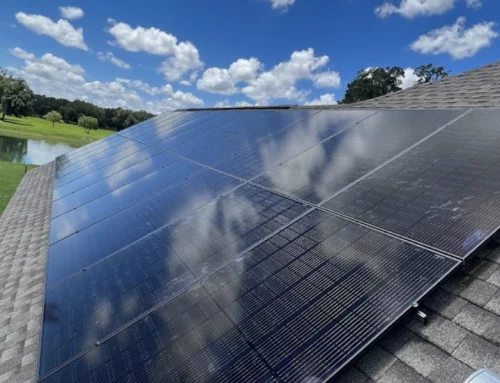
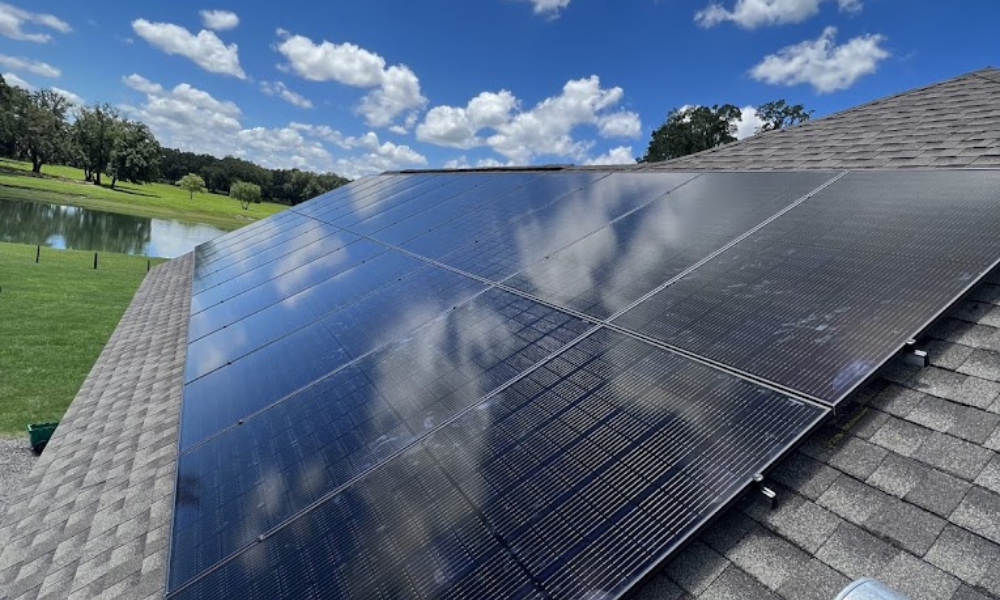
Castaways Roofing offers solar-ready roofing support and works alongside the broader Castaways brand to help align roofing and future energy planning. If a roof is already near the end of its useful life, replacement before solar installation is often the smarter path. Installing solar on a roof that will soon need replacement can lead to avoidable removal and reinstallation costs later.
Questions to Ask After a Storm
- How old is the roof?
- Was the roof already showing wear before the storm?
- Is the damage isolated or widespread?
- Are there active leaks?
- Is the decking or underlayment affected?
- Will repair meaningfully extend the roof’s life?
- Am I considering solar in the near future?
A professional inspection can answer these questions much more reliably than visual guesswork alone.
Common Central Florida Scenarios
Scenario 1: Newer Roof, Small Wind Event
A few shingles are missing after a storm, but the roof is otherwise in good condition. This is often a repair situation.
Scenario 2: Older Roof, Multiple Problem Areas
The storm lifted shingles in multiple sections, granule loss is widespread, and there are interior stains. This often points more strongly toward replacement.
Scenario 3: Roof Damage + Future Solar Plans
The homeowner wants solar within the next year, and the storm revealed the roof is already worn. Replacement may be the smarter move to create a stable, solar-ready foundation.
Frequently Asked Questions
Does homeowners insurance cover roof replacement in Florida?
Homeowners insurance may cover repair or replacement when damage is caused by a covered event such as wind, storms, hail, or hurricanes. Coverage depends on the policy and the claim findings.
How do I know if my roof needs repair or replacement?
Signs can include missing or damaged shingles, leaks, interior water stains, cracked or curling shingles, granule loss, storm damage, and advanced roof age. A professional inspection is the best way to determine the right path.
How long does a residential roof replacement take?
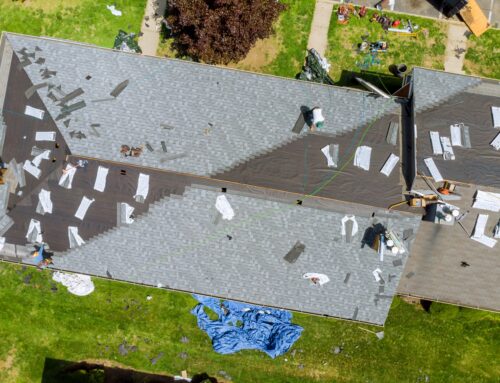
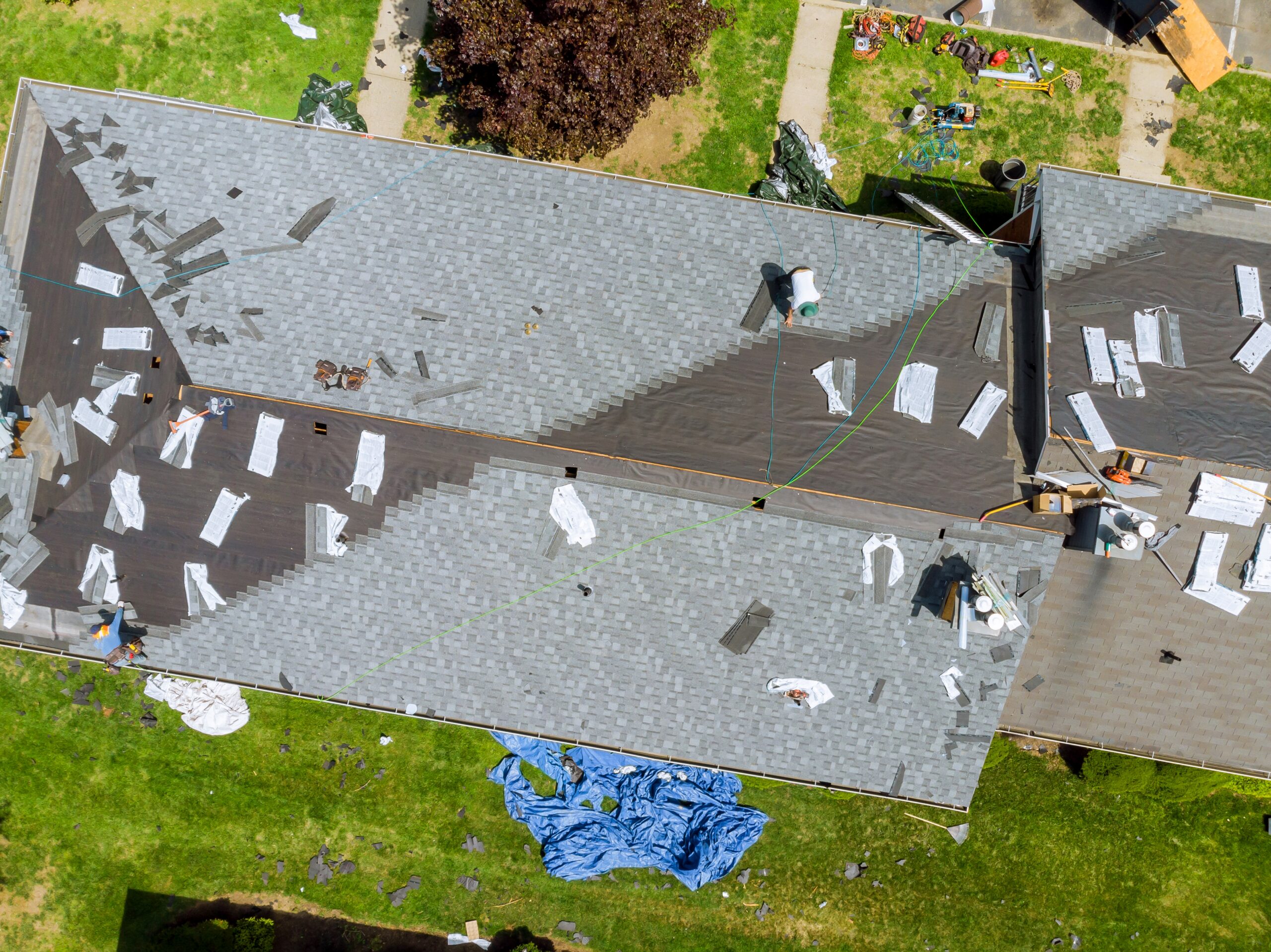
Castaways Roofing states that many residential roof replacements can be completed within one to a few days, depending on roof size, pitch, weather, and material type.
Can I repair my roof now and still replace it later if I go solar?
Sometimes, yes. But if the roof is already nearing replacement and solar is part of the near-term plan, replacing it first can avoid future panel removal and additional expense.
Choose the Option That Protects the Home Long-Term
After a Florida storm, the lowest-cost immediate fix is not always the best long-term answer. The right solution is the one that restores protection, fits the roof’s true condition, and aligns with your future plans for the property.
If you need help deciding between repair and replacement, request a free quote or contact Castaways Roofing to schedule a professional evaluation.