
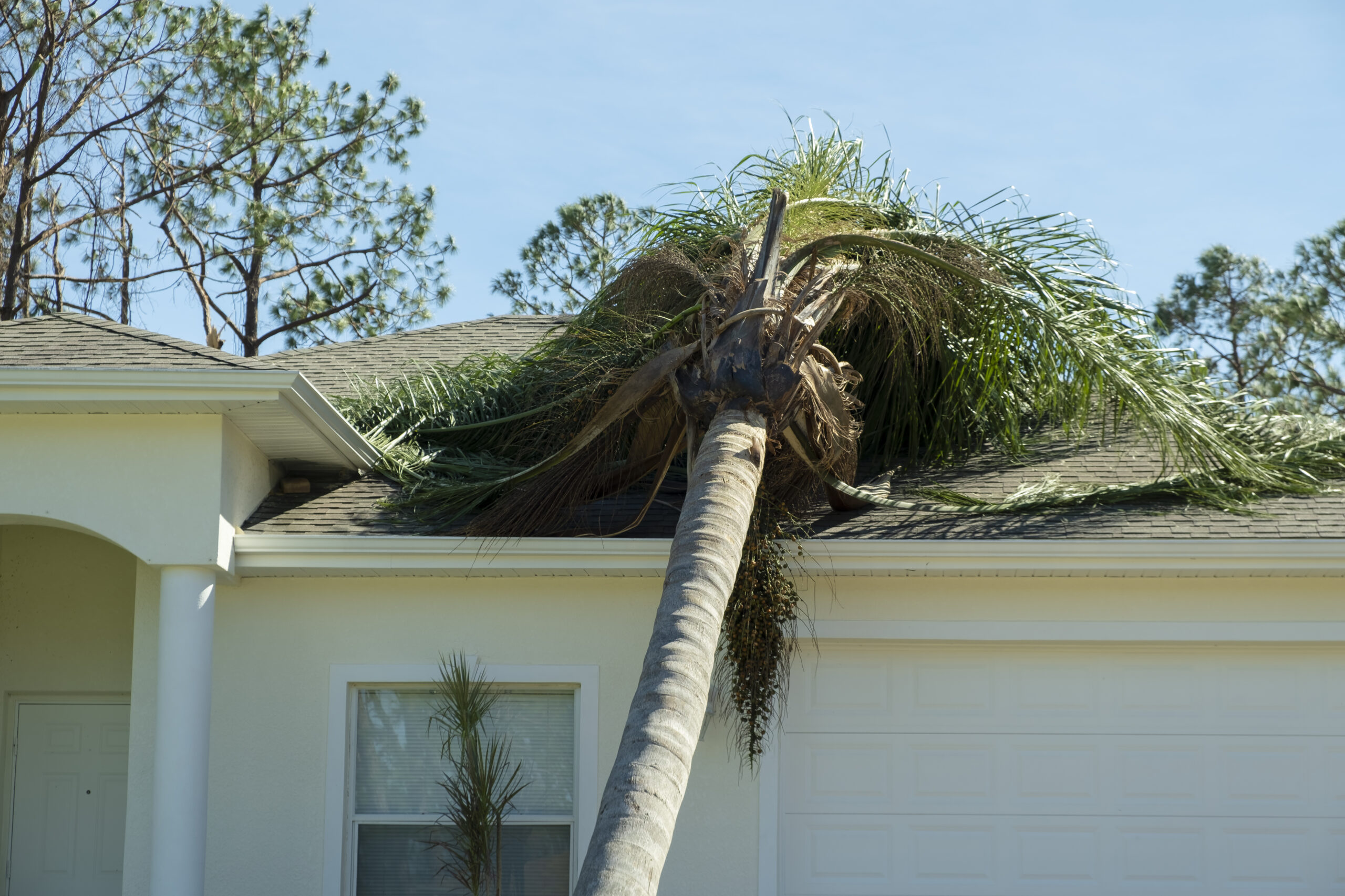
Severe weather is the ultimate test of your home’s resilience. In the Southeast, our roofs serve as the primary defense against high winds, torrential rain, and punishing hail. However, storm damage isn’t always as obvious as a fallen tree or a missing section of shingles. Often, it is a silent predator that compromises your home’s protective barrier, leading to “ghost leaks” and structural rot that can stay hidden for months.
At Castaways Roofing, we specialize in identifying and neutralizing these threats. Here are 5 proven methods for how storm damage affects your roof and the incredible steps you can take to protect your investment.
1. Wind-Driven Uplift and Shingle Displacement
High winds don’t just blow shingles off; they create “uplift.” This force can pull shingles upward, breaking the factory-sealed adhesive bond. Even if the shingle settles back down, the seal is gone. The invisible storm damage creates a “pocket” that directs the next rainfall directly under your shingles and onto the wooden roof deck.
2. The Impact of “Sub-Severe” Hail
In 2026, new research from the Insurance Institute for Business & Home Safety (IBHS) has proven that even small, “sub-severe” hail (under 1 inch) can be devastating. Repeated small impacts strip away the protective granules of your shingles. This granule loss exposes the underlying asphalt to UV rays, causing it to become brittle and crack. This type of storm damage accelerates your roof’s aging by years in a single afternoon.
3. Airborne Debris and Puncture Points
Even a small branch can become a projectile in a high-wind event. Impact from debris can puncture roofing materials or dent the metal flashing around your chimneys and vents. Once that metal is bent or the shingle is pierced, you have a direct highway for water intrusion. Identifying this storm damage early is the only way to prevent a full-scale interior disaster.
4. Compromised Flashing and Sealants
Your roof is only as strong as its weakest point—usually the valleys and penetrations (like vents and pipes). Severe storms can vibrate and shift these components, cracking the aged sealants. Often, you don’t notice storm damage until a brown stain appears on your ceiling, at which point the insulation has already become saturated.
5. Heavy Rainfall and “Hidden” Seepage
Extreme rainfall can overwhelm your gutter system, causing water to back up under the eave’s edge. If your roof lacks a secondary water barrier, this moisture will seep into the fascia and soffit. This storm damage is incredibly destructive because it attacks the very perimeter that holds your roof in place.
New 2026 Insurance Protections: Know Your Rights
The legal landscape for storm damage claims has changed significantly this year. Under Florida’s SB 808 (2026), insurance companies are now prohibited from refusing to renew your policy solely because of roof age, provided an authorized inspector (like the experts at Castaways) confirms the roof has at least 5 years of useful life remaining.
If you have suffered storm damage, you no longer have to fear an automatic “non-renewal” notice. We help you document every dent and missing granule, providing the incredible level of detail required by the new 2026 claims resolution processes.
Why a Professional Inspection is Non-Negotiable
You can’t see the health of your roof from the driveway. A professional inspection identifies:
-
Compromised Underlayment: Checking the “skin” beneath the shingles.
-
Weakened Structural Components: Ensuring the “pack” of rafters is still sound.
-
Solar Integrity: For homes with solar panels, we check the mounts to ensure the storm damage hasn’t loosened the flashing that keeps your roof watertight.
The Castaways Roofing Promise
Whether you need a minor repair or a complete roof replacement due to severe storm damage, our team uses 2026-grade materials designed for maximum wind and hail resistance. We don’t just fix roofs; we build fortresses.
Is your roof hiding a secret? Don’t wait for the next storm to find out. Visit castawaysroofing.com today to schedule your 21-point Storm Damage Recovery Inspection.